Rachel Kim
Residential Security Specialist
Apr 20, 2026 8 min read
Most break-ins aren't elaborate heists — they're crimes of opportunity. A burglar walking down a street in Cedarhurst, Far Rockaway, or Woodmere is looking for the easiest door, not the hardest one. As a 24/7 mobile locksmith serving Wake County and the Five Towns / Rockaways / JFK corridor, we've responded to hundreds of lockouts and break-in aftermath calls, and the pattern is almost always the same: a lock that was outdated, a door frame that wasn't reinforced, or a habit that made the home an easy mark.
The good news is that most of the upgrades that genuinely deter burglars cost less than a dinner out and take an afternoon to complete. Below are the practical, field-tested steps we recommend to our neighbors every day — not to sell anything, but because a safer neighborhood means fewer emergency calls for all the wrong reasons.
1. Upgrade Your Deadbolt — Your Knob Lock Is Not Enough
The spring-latch knob lock on most residential doors can be defeated in seconds with a credit card or a firm shoulder. A Grade 1 ANSI-rated deadbolt with a one-inch throw bolt is the baseline standard for any exterior door. Look for deadbolts that are ANSI/BHMA Grade 1 certified — that rating means the lock has passed a series of kick, pick, and drill tests. Brands like Schlage B60N or Medeco deadbolts are worth the investment for a primary entry point. If your current deadbolt wobbles, turns too easily, or is more than 10–15 years old, it's time to replace it.
For renters or homeowners who don't want to replace the whole cylinder, a high-security cylinder retrofit (a 'cylinder upgrade') lets a locksmith install a pick-resistant, bump-resistant core into your existing deadbolt housing — often a cost-effective middle ground. Ask about restricted keyways too: these are key profiles that only authorized locksmiths can duplicate, so a copy can't be made at a hardware kiosk without your knowledge.
2. Reinforce the Door Frame — Because Locks Only Hold as Well as What They're Mounted In
Here's a hard truth: a quality deadbolt installed in a weak door frame is still a weak door. The vast majority of forced-entry break-ins involve kicking the door — not picking the lock. When a door gets kicked in, what actually fails is usually the strike plate and the wood surrounding it. Standard strike plates ship with ¾-inch screws that barely reach past the door casing. Swap them out for 3-inch screws (No. 10 or No. 12 gauge) that bite into the structural framing behind the casing — this single $3 fix dramatically increases kick resistance.
For a more complete solution, consider a heavy-duty reinforced strike plate like a Mag Security Shield or a door-frame reinforcement kit. These steel wrap-around reinforcers spread the impact force across a much larger surface area. If your door is hollow-core — common in older Long Island homes and apartment buildings near the JFK corridor — replacing it with a solid-wood or steel exterior door is the single highest-impact upgrade you can make. A locksmith or contractor can assess your door's construction in minutes.
3. Sliding Doors, Garage Doors, and 'Secondary' Entry Points
Front doors get all the attention, but burglars often go around back. Sliding glass doors are notoriously easy to defeat: the factory latch is weak, and many older sliders can simply be lifted off the track. Two fixes that cost almost nothing: cut a length of wooden dowel or a cut-down broomstick to lay in the bottom track (blocks the door from sliding even if the latch is defeated), and install anti-lift pins — two simple bolts drilled into the top track — to prevent the door from being popped off. For added peace of mind, a secondary foot lock or a Charlie Bar adds another layer.
Garage doors are the other common vulnerability, especially in neighborhoods like Valley Stream and Inwood where attached garages face the street. If you have an older garage door opener, make sure it uses rolling-code technology — older fixed-code openers can be cloned with cheap radio devices. Never leave the garage door remote visible in a car parked in the driveway. Inside the garage, make sure the door connecting the garage to the house interior is treated as a full exterior door with a quality deadbolt, because that door is effectively your back door.
4. Lighting, Visibility, and the Appearance of Occupancy
Burglars hate light and witnesses. Motion-activated lights on all exterior entry points — front door, back door, side gates, driveway — are one of the cheapest deterrents available. Modern LED motion lights cost very little to run and require no wiring if you choose a solar-powered unit. Position them high enough that they can't be easily unscrewed or knocked out. Complement the lighting with trimmed shrubbery: overgrown bushes near entry points give a burglar a place to work unseen. This is especially relevant in older residential streets throughout the Five Towns where mature landscaping can create blind spots.
When you travel, use smart plugs or simple lamp timers to vary your interior lighting on a randomized schedule — lights that turn on and off at the same time every night look automated, but varied patterns suggest someone is actually home. Pause your mail and package deliveries, or use a mail-holding service through USPS. A piled-up mailbox or a stack of Amazon boxes on the stoop is one of the clearest signals that nobody's home.
5. Rekey When Life Changes — Not Just When Keys Go Missing
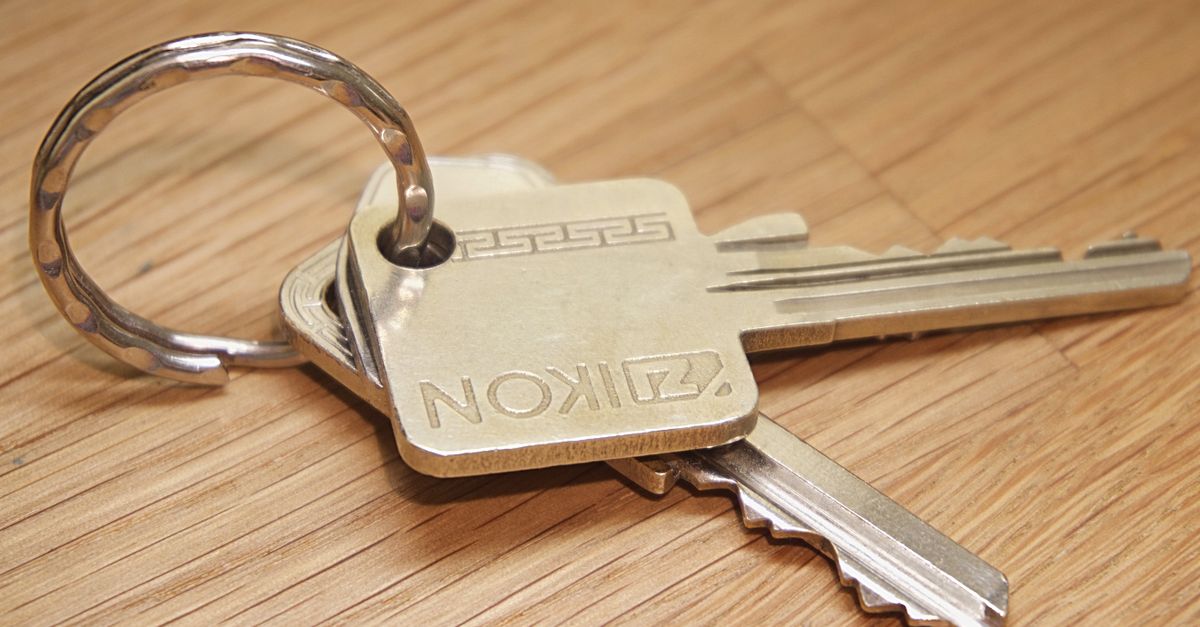
Most homeowners only think about rekeying when they've lost a key. But the better question is: who else has a copy of your key that you've forgotten about? When you moved in, did the previous owner hand over every key that was ever made? Did the contractor who did your kitchen reno return theirs? Did your last babysitter? Rekeying changes the internal pin configuration of your existing lock cylinder so that all old keys stop working — it's faster and less expensive than replacing the whole lockset, and a qualified locksmith can typically rekey a standard deadbolt on-site in minutes.
Life events that should trigger a rekey: moving into a new home or apartment (always, without exception), ending a relationship where the other person had a key, a contractor or housecleaner leaving your employ, losing a key even if you think it was just misplaced, or a break-in or attempted break-in anywhere on your block. Smart locks with electronic access codes are another option — they let you create and delete access codes per person without any physical key to track, and many integrate with a standard deadbolt footprint. Pricing for rekeying and smart lock installation varies based on the number of locks, the lock brand, and your location, so it's always worth a quick call to get a straight answer before deciding.
Frequently asked questions
How do I know if my current locks are good enough?+
Look for an ANSI/BHMA grade rating stamped on the lock or listed in its documentation. Grade 1 is commercial-grade and the best choice for exterior doors; Grade 2 is acceptable for secondary doors; Grade 3 (the most common builder-grade lock) is the minimum and not recommended for front doors. If your lock has no visible grade marking, wobbles, has a short bolt throw (less than one inch), or was installed more than 10–15 years ago, it's worth having a locksmith evaluate it — most will assess your current hardware at no charge when they're already on-site.
Is a smart lock actually more secure than a traditional deadbolt?+
It depends on how you use it. A high-quality smart lock like an August, Schlage Encode, or Yale Assure uses the same physical bolt and cylinder quality as a traditional deadbolt — the 'smart' part is the access method, not the physical security. The advantages are real: no physical keys to lose or copy, access logs that show you who entered and when, and the ability to let someone in remotely. The risks are also real: they require battery maintenance, and cheaper models may have software vulnerabilities. For most homeowners, a certified smart lock installed on a properly reinforced door frame is a meaningful upgrade — just make sure you're buying a recognized brand and not an unbranded unit from a discount site.
What's the difference between rekeying and replacing a lock, and when does each make sense?+
Rekeying reconfigures the existing lock cylinder to work with a new key while keeping all the existing hardware — it's faster and less expensive, and the right move when your lock is in good mechanical condition but you want to invalidate old keys. Replacing the lock makes sense when the lock is worn, damaged, a low-grade unit you want to upgrade, or when you want to switch to a different style or smart lock platform. A locksmith can tell you quickly which situation you're in. Rekeying multiple locks to all operate on one key (called 'keying alike') is a popular option for homeowners who want to simplify without buying all-new hardware.
Can a locksmith help after a break-in, or is that a job for a contractor?+
Both, often. A mobile locksmith is typically the right first call because we can respond immediately, assess whether the lock and cylinder are compromised, and get the door secured the same day — replacing damaged locksets, rekeying undamaged locks, and advising on what hardware upgrades make sense after the fact. If the door frame or the door itself was significantly damaged during forced entry, a carpenter or general contractor may need to handle the structural repair before or alongside the lock work. We coordinate this kind of response regularly in the Five Towns and Rockaways area, and we're available around the clock precisely because break-ins don't follow business hours.